Introduction
Nepal, known for its majestic mountains and rich cultural heritage, is also a country with unique logistical challenges. The cargo services industry in Nepal plays a pivotal role in connecting this landlocked nation to the global market. With its complex terrain and diverse geography, the cargo sector must continually adapt to ensure efficient and reliable delivery of goods. This blog delves into the current state of cargo services in Nepal, highlighting the challenges, innovations, and future prospects.
The Landscape of Cargo Services
Nepal’s cargo services sector encompasses various modes of transportation, including air, road, and, to a lesser extent, rail and water. Each mode has its own set of advantages and challenges:
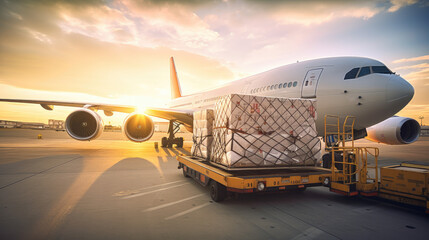
- Air Cargo: Vital for high-value and time-sensitive goods, especially in regions inaccessible by road.
- Road Cargo: The most widely used method, essential for connecting urban centers with rural areas.
- Rail Cargo: Limited but growing, primarily focused on cross-border trade with India.
- Inland Waterways: Underdeveloped but hold potential for the future, particularly in the southern plains.
Challenges in Cargo Services
- Geographical Hurdles: The rugged Himalayan terrain, coupled with frequent landslides and earthquakes, poses significant challenges to maintaining consistent cargo routes.
- Infrastructure Deficiencies: Poor road conditions, limited rail networks, and underdeveloped airport facilities hinder the efficient movement of goods.
- Regulatory Barriers: Complex customs procedures and regulatory requirements can lead to delays and increased costs.
- Political Instability: Strikes and political unrest can disrupt transportation and logistics services.
- Technological Limitations: Limited adoption of advanced logistics technology hampers efficiency and transparency.
Innovations and Adaptations
Despite these challenges, in these sector in Nepal is witnessing innovative solutions aimed at improving efficiency and reliability:
- Digitalization: Adoption of digital platforms for tracking shipments and managing logistics operations is on the rise, helping to streamline processes and reduce delays.
- Public-Private Partnerships: Collaborations between the government and private sector are fostering improvements in infrastructure and service delivery.
- Use of Drones: Drones are being used to deliver essential goods to remote areas, bypassing challenging terrains.
- E-commerce Growth: The surge in e-commerce has driven demand for efficient last-mile delivery solutions, prompting investments in better logistics networks.
- Sustainable Practices: There is a growing focus on sustainable cargo services, including the use of electric vehicles and eco-friendly packaging materials.
Key Players in the Cargo Sector
Several key players dominate the cargo services market in Nepal, each contributing to the sector’s growth and development:
- Nepal Airlines: The national carrier provides vital air cargo services, especially for international shipments.
- Private Logistics Companies: Companies like DHL, FedEx, and local firms such as Nepal Cargo Services offer a range of logistics solutions.
- Freight Forwarders: These intermediaries play a crucial role in managing international shipments and navigating complex customs regulations.
Future Prospects
The future of cargo services in Nepal looks promising, with several initiatives aimed at addressing existing challenges and fostering growth:
- Infrastructure Development: Ongoing projects to improve road, rail, and air transport infrastructure will enhance connectivity and efficiency.
- Technological Integration: Increasing adoption of advanced logistics technologies, such as AI and blockchain, will boost transparency and efficiency.
- Regional Cooperation: Strengthening trade ties with neighboring countries, particularly India and China, can facilitate smoother cross-border cargo movement.
- Policy Reforms: Simplifying regulatory procedures and reducing bureaucratic hurdles will create a more favorable environment for cargo services.
Conclusion
Cargo services in Nepal are a critical lifeline for the country’s economy, enabling the movement of goods across challenging terrains and international borders. While the sector faces significant hurdles, ongoing innovations and investments are paving the way for a more efficient and reliable logistics network. As Nepal continues to develop, the cargo services industry will play an increasingly vital role in connecting the country to the global market, driving economic growth and prosperity.